Home › Masonry Restoration and Historic Preservation
Superior Masonry Daytona Beach provides historic masonry restoration for older commercial and institutional buildings in Daytona Beach, FL. We match historic brick, stone, and mortar while repairing structural and cosmetic issues. Preserve the character of your property with careful, documented restoration methods.
Superior Masonry Daytona Beach provides professional historic masonry restoration throughout Daytona Beach, FL, Florida and the surrounding area. Our licensed, insured crew delivers safe, clean, on-time work with a free estimate before anything begins. Call (386) 999-4511 or request your free quote.
Masonry restoration in a coastal climate
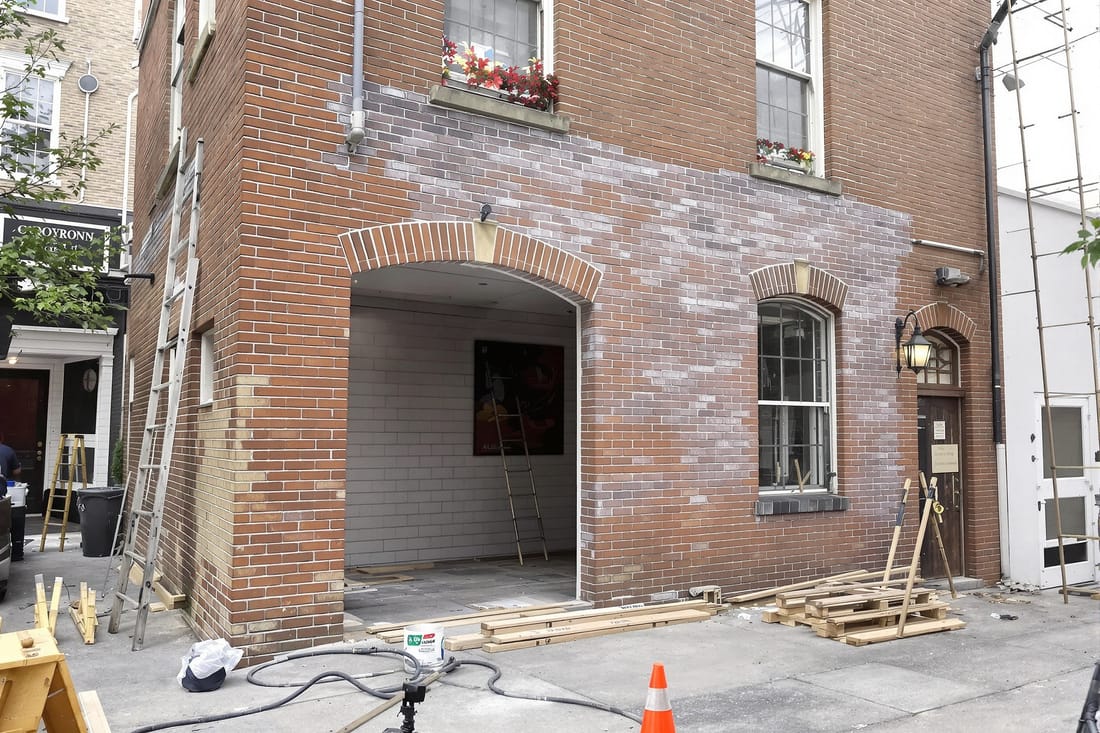
Historic masonry in Daytona Beach takes a different kind of beating than it does inland. Salt air, wind-driven rain, high humidity, and strong sun all work their way into brick, block, stucco, and mortar. Superior Masonry Daytona Beach focuses specifically on how these conditions affect older homes, beachside buildings, and historic commercial blocks along Ridgewood, Beach Street, and the surrounding neighborhoods.
When we look at a historic masonry structure, we start by separating surface issues from structural concerns. Hairline stucco cracks that show no movement are treated differently than stair-step cracks in brick that point to foundation or settlement problems. Coastal staining from salt and mildew is not handled the same way as efflorescence caused by trapped moisture behind a wall.
Older properties in this area often combine brick, coquina block, and traditional sand-lime stucco. Each reacts differently to salt and water. Using the wrong mortar or coating can trap moisture, accelerate decay, and cause spalling. Our restoration plans are built around how these specific materials behave in our coastal environment, not just generic masonry rules.
How we evaluate historic masonry before any work starts
Superior Masonry Daytona Beach treats the initial assessment as the most important part of historic masonry restoration. Skipping this step or rushing it is how buildings get damaged by well-meaning repairs.
We start with a detailed visual inspection, usually exterior first, then interior. We look for crack patterns, bulging walls, loose stucco, failing paint, and exposed rusting metal. On older commercial facades, we pay special attention to parapet walls, cornices, and any decorative brickwork where water commonly gets in.
Next we take moisture readings in multiple locations. In Daytona Beach, water can enter from failing roof edges, wind-driven rain, or wicking up from damp soil. Knowing where the moisture is coming from tells us whether masonry repair alone will solve the problem or if flashing, drainage, or roofing changes are needed.
For truly historic structures, we often remove a small section of mortar to test its hardness and composition. Many older homes near the river and in older neighborhoods used softer lime-based mortars. Repointing those joints with modern hard Portland cement mortar can crack the brick or stone. Matching hardness is critical if you want a restoration that lasts.
We also document existing details with photos and measurements. If there is a unique brick pattern around windows, an original stucco texture, or a decorative band at the roofline, we record it so that any patched areas match the original look of the building.
Common coastal masonry problems and how we fix them
Historic masonry restoration in Daytona Beach often involves the same recurring issues, but the right fix depends on what is actually causing the damage.
Salt and moisture intrusion: Salt from ocean air and road spray gets into brick and mortar, especially along beachside corridors and exposed corners. As moisture cycles in and out, the salt expands and breaks down the surface. We address this by carefully removing loose or salt-damaged material, washing with appropriate cleaners that do not burn the masonry, then repointing or resurfacing with breathable repair materials.
Cracked and failing stucco: Many mid century homes around Daytona Beach have original stucco that has been painted over repeatedly. When the stucco loses bond or water gets behind it, it begins to bulge and crack. We cut back to solid base, tie in new lath or reinforcement where needed, and apply new stucco in multiple coats that match the original thickness and texture. We avoid overly hard, cement-heavy mixes on older soft substrates.
Spalling and flaking brick: Bricks that have absorbed too much water can begin to shed their faces. We identify whether this is due to rising damp, trapped moisture from non-breathable coatings, or roof and gutter issues. Repairs might involve replacing individual units with salvaged or closely matched brick, correcting drainage, and removing or modifying coatings that keep the wall from drying properly.
Corroded embedded metal: Rusting lintels over windows and doors are a common problem, especially in older block and brick storefronts. Expanding rust cracks surrounding masonry and can cause sagging openings. We expose the steel, mechanically remove rust, treat or replace the metal, then rebuild the disturbed masonry so it is properly supported and sealed but still able to drain.
Our restoration process step by step
Once Superior Masonry Daytona Beach completes the evaluation and you approve the plan, we move through a defined sequence so the work is organized and predictable.
1. Site protection and access: We set up scaffolding, protect windows, adjacent roofs, and landscaping, and establish safe public walkways for commercial jobs. Containment may be needed if we are removing loose coatings or grinding mortar.
2. Careful removal of failing material: This includes raking out deteriorated mortar joints by hand or with low vibration tools, chipping off loose stucco without damaging sound layers, and removing badly spalled brick. We do not use high pressure water blasting or aggressive grinding that can scar historic masonry.
3. Cleaning and surface prep: Depending on the material, we may use low pressure water, specialized masonry cleaners, or gentle abrasive methods. The goal is to remove salts, mildew, and loose particles while preserving the sound masonry surface. In our humid climate, proper drying time after cleaning is critical before new materials are applied.
4. Repointing and patching: Mortar is mixed to match color, texture, joint profile, and hardness. On lime mortar buildings we use compatible lime-rich mixes. Joints are packed in layers and tooled to match existing work. Stucco patches are feathered and built in multiple coats so they cure properly and do not telegraph edges.
5. Replacement and reconstruction where needed: Severely damaged sections, such as parapet tops or window sills, may require partial rebuilding. We source brick or block that is as close as possible to the original in size and absorption rate, not just color. On older decorative elements, we may cast replicas using molds taken from existing pieces.
6. Protective finishes and final detailing: We usually recommend breathable mineral paints or high quality masonry coatings that allow moisture vapor to escape, which is important in Daytona Beach’s humidity. Clear sealers are used cautiously and only where appropriate. We finish by adjusting joints, textures, and edges so new work visually blends with the original structure.
What affects the cost of historic masonry restoration
Historic masonry restoration is more involved than basic patching, so it is important to understand what drives pricing before you request estimates.
Access and height: A one story bungalow in Daytona Beach Shores is far easier to access than a three story mixed-use building on a busy street. Scaffolding, lifts, sidewalk protection, and traffic control all add cost, especially for downtown or tight-lot properties.
Scope and depth of damage: Hairline cracks across a small area are minor. Widespread spalling, deep cracks through structural elements, or failing parapets increase labor and materials significantly. When moisture problems require roof edge, flashing, or drainage corrections, that work also affects the total.
Material matching: Finding compatible brick, coquina-like materials, or historic-texture stucco for older Daytona Beach buildings can require extra sourcing time and sometimes custom blending. Matching original mortar color and hardness is a specialized process that costs more than using an off-the-shelf bag mix.
Historic oversight: If your property is on a local or national historic register, you may be required to follow specific standards and submit documentation. Coordinating with preservation boards, providing samples, and revising details to meet guidelines can add time and design cost, although the actual field work may be similar.
Phasing and occupancy: Working around active businesses, occupied condos, or vacation rentals often means staging the job in smaller sections, which is less efficient than working a whole elevation at once. Night or early morning hours, noise limits, and seasonal scheduling to avoid peak tourist traffic can all influence cost.
What Daytona Beach property owners should ask before hiring
If you own a historic or older masonry building in Daytona Beach, you should approach restoration as a long term investment. Here are practical questions to ask any contractor, including Superior Masonry Daytona Beach, before you sign a contract.
1. What is your plan for moisture management: Ask how they will identify and address moisture sources, not just patch visible damage. In our climate, ignoring water entry guarantees repeated failures.
2. How will you match my existing materials: Request a clear explanation of how they will match mortar type, color, and joint style, and how they will handle differences between new and old brick, block, or stucco.
3. What cleaning methods will you use: Harsh sandblasting or high pressure washing can permanently scar historic masonry. The contractor should be able to describe gentler, masonry-appropriate cleaning options.
4. How will you protect nearby areas: Ask how they plan to shield windows, roofing, landscaping, and public walkways, especially in busy or coastal-front locations with wind-driven dust.
5. Can you phase the work: For condos, hotels, churches, and commercial buildings, phasing allows you to keep operations running while restoration is underway.
Superior Masonry Daytona Beach is available to walk your property with you, point out specific concerns, and outline realistic options so you can prioritize work within your budget while respecting the character of your building.