Home › Brick Veneer Installation
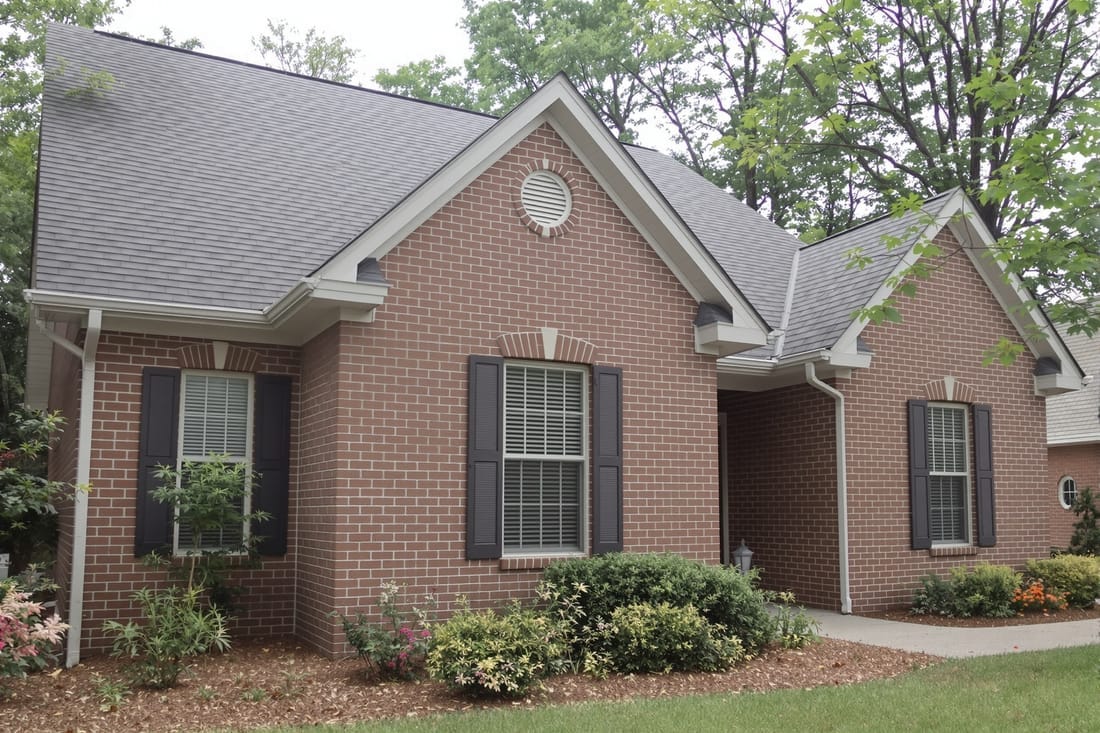
Superior Masonry Daytona Beach installs high quality brick veneers that add the look of solid brick to homes in Daytona Beach, FL. We provide brick veneer siding, accents, and facades that are lighter in weight yet built to last. Improve curb appeal with clean, professional brick cladding.
Superior Masonry Daytona Beach provides professional brick veneers throughout Daytona Beach, FL, Florida and the surrounding area. Our licensed, insured crew delivers safe, clean, on-time work with a free estimate before anything begins. Call (386) 999-4511 or request your free quote.
Brick veneers that fit Daytona Beach homes and weather
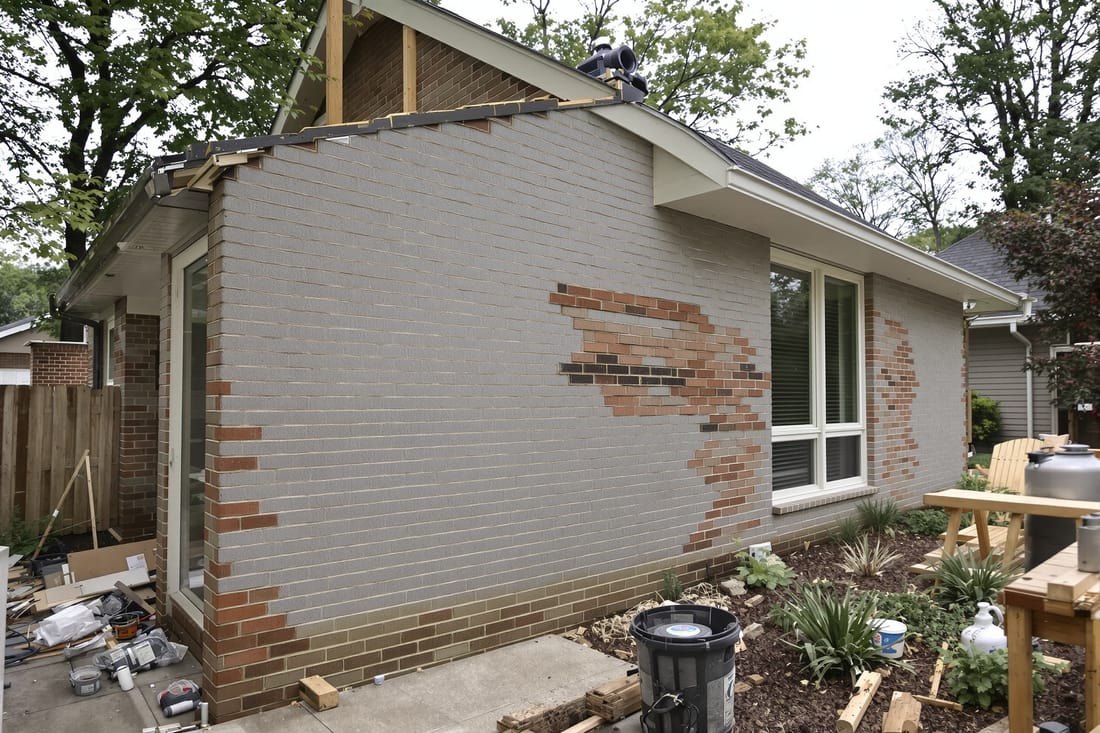
Brick veneers give Daytona Beach homeowners the traditional brick look without the weight and cost of full brick walls. At Superior Masonry Daytona Beach, we focus on veneers that handle our coastal humidity, salt air, and strong sun so your new brick facade looks great for years instead of fading or cracking early.
We start every brick veneer project by walking the property with you. We look at how much direct sun each wall gets, where wind-driven rain hits hardest, and whether you are near the river or ocean where salt exposure is higher. These details affect which brick units, mortar, and moisture control methods we recommend.
Our team also checks your existing structure. Brick veneers must attach to sound framing, block, or concrete. We inspect for loose stucco, peeling paint, hairline cracks in block, and existing water intrusion. If we spot issues, we talk through whether repair or reinforcement is needed before we even think about adding brick. This up-front work keeps you from covering problems that would later cause the veneer to fail.
Step-by-step brick veneer installation process
When Superior Masonry Daytona Beach installs brick veneers, we follow a clear process so you know what is happening at each stage.
1. Surface prep and repair: We remove loose finishes, power wash if needed, and grind or scrape back to a clean, stable surface. On block or concrete, we may use bonding agents to help new mortar adhere. On framed walls, we confirm sheathing, flashing, and weather barriers are in good condition.
2. Moisture and flashing details: In our climate, water management is critical. We install or upgrade house wrap or vapor barriers as needed, then add metal flashing at window heads, door openings, and at the base of the veneer. We plan weep locations so any water that gets behind the veneer can safely drain out.
3. Lath or ties and anchors: For wood-framed walls, we fasten corrosion-resistant metal lath over the water barrier, then apply a scratch coat of mortar. For block or poured concrete, we drill and install masonry anchors or brick ties at proper spacing to connect the veneer securely to the structure.
4. Layout and coursing: We snap level lines and dry lay sample rows to confirm joint size and pattern around openings. This avoids awkward slivers of brick above windows or at wall ends. You see how the pattern will fall before we commit to mortar.
5. Brick setting and joint tooling: We set bricks in fresh mortar, maintaining consistent joint thickness and pattern. As mortar firms up, joints are tooled to the profile you chose, such as concave or flush. This affects appearance and water shedding.
6. Cleaning and final detailing: When the mortar reaches the right hardness, we clean the face of the brick with methods that will not damage the units or leave haze. We then seal where needed around windows, doors, and transitions, and walk the project with you to confirm every detail.
Brick veneer design choices that work in coastal Florida
Brick veneers are more versatile than many homeowners expect. At Superior Masonry Daytona Beach, we help you dial in the exact look so the new veneer feels like it has always belonged on your property.
Color and blend: We source clay and concrete brick units that perform well in Florida and are available in solid colors, blends, and tumbled finishes. In Daytona Beach, lighter blends like buff, light red, and soft gray are popular because they reflect heat and pair well with stucco and coastal roofing. Darker accents around entries or columns can add contrast without overheating entire walls.
Size and pattern: Traditional modular bricks work for most homes, but we can also use thin brick units designed specifically for veneers. Running bond is common, but Flemish, stacked, or soldier course accents over windows or along porch edges can add character. We explain how different patterns affect labor cost and where simple patterns are smarter for budget control.
Joint style and color: Mortar joints change the visual impact as much as the brick itself. In our climate, concave or V joints usually perform best because they shed water efficiently. Joint color can either contrast with the brick to highlight each unit, or blend closely for a more uniform look. We often build a small sample panel on-site so you can see brick, joint profile, and color together in natural Daytona Beach light before committing.
Trim and transitions: If your home mixes stucco, siding, and brick, we plan clean transitions at corners, porch bases, and gable walls. Brick sills under windows, rowlock caps on low walls, or soldier courses at entry steps can tie everything together without overwhelming the design.
Cost factors specific to brick veneers in Daytona Beach
Homeowners often ask what really drives the price of brick veneer installation. We believe in explaining this clearly so you can make informed choices.
Wall condition and access: If your walls are straight, sound, and easy to reach, labor is lower. Costs increase when we must repair cracked block, remove failing stucco, or build scaffolding for tall or difficult areas. Tight beachside lots and limited driveway access can also affect setup time and material handling.
Brick and mortar selection: Standard bricks and mortars are the most economical. Specialty textures, imported blends, or custom-colored mortars cost more per square foot. We always match products to our coastal conditions so you do not pay for options that will not hold up or will be hidden behind landscaping.
Moisture control upgrades: Many older Daytona Beach homes lack modern flashings, weep paths, or continuous water barriers. Adding or upgrading these elements adds some initial cost but prevents far more expensive water damage later. We will show you where we recommend improvements and the long-term benefit of each.
Detail work and patterns: Straight runs of brick in a basic running bond pattern are efficient to install. Intricate patterns, numerous corners, arches, or special trim details require more layout time and precision. We break out costs for these features so you can decide where design upgrades give you the most value.
Common brick veneer issues in coastal Florida and how we prevent them
Our climate in Daytona Beach creates specific challenges for brick veneers. Superior Masonry Daytona Beach builds with these realities in mind so you do not fight the same problems every rainy season.
Water intrusion: Wind-driven rain can force water behind veneers if flashing and weeps are missing or blocked. During installation we keep a clear air space behind the brick when the wall assembly allows it, slope flashing correctly, and provide weeps at the base of the veneer and above openings. For existing problem areas, we can often correct flashing and add supplemental weeps without rebuilding entire walls.
Salt and corrosion: Near the ocean and Halifax River, metal components that are not rated for corrosion can fail early. We use stainless or hot-dipped galvanized ties and lath that are appropriate for coastal exposure. We also pay attention to how runoff from roofs and balconies hits the veneer so salt-laden water does not concentrate in one spot.
Cracking and settling: Hairline cracks can form when new veneers are tied into older structures that move or when control joints are missing. We plan expansion and control joints where needed, especially along long walls or at changes in height. When we see signs of foundation movement, we discuss whether you need a structural assessment before veneer work.
Efflorescence and staining: White mineral deposits on the face of brick are common in humid climates. We limit this risk by choosing compatible mortar, managing water paths, and using correct cleaning methods. If efflorescence appears later, we can usually remove it without harsh chemicals that might harm brick or nearby landscaping.
What to expect when you hire Superior Masonry Daytona Beach
From the first visit to final cleanup, our goal is a calm, predictable experience for you and a veneer that looks like a natural part of your home.
Consultation and proposal: We begin with a site visit where we listen to your goals, review the structure, and measure. You receive a written proposal that breaks down scope, materials, estimated timeline, and any recommended repairs or moisture upgrades.
Planning and scheduling: Once you approve the plan, we schedule work at times that fit your household or business operations. We coordinate material deliveries to reduce noise and traffic, which can be especially important in tight Daytona Beach neighborhoods or condo communities.
Daily communication: During installation, we keep you updated on progress and any findings behind existing finishes. If unexpected issues appear, such as hidden rot or previously concealed cracks, we explain options and costs before proceeding.
Respect for your property: We protect landscaping, walks, and driveways where we stage materials and mix mortar. At the end of the project, we remove debris, sweep work areas, and leave your property ready to enjoy.
If you are considering brick veneers for a new build, renovation, or to refresh an aging facade in Daytona Beach or nearby communities, Superior Masonry Daytona Beach can guide you through each decision and handle the technical details that matter in our coastal environment.